Senior Engineer | CFD
Ayoola Oshodi
As a multidisciplinary engineering tool, CFD enables teams to compare design solutions, troubleshoot existing systems and make informed decisions by simulating real-world conditions. Whether assessing ventilation effectiveness, thermal comfort, smoke movement, contaminant dispersion or airflow around buildings, our analysis provides detailed insights that help mitigate risk, reduce delays and optimise both capital and operational outcomes.
By combining engineering expertise with advanced simulation, mathematics, physics and computational modelling, we deliver highly efficient and sustainable building solutions that enhance occupant comfort, improve energy performance and support better-performing environments.

Validation of custom mechanical designs to ensure compliance is met to equivalent
or greater than relevant local standards. In doing so, this allows Engineers to maximise spaces, minimise construction costs, and reduce upfront and long-term costs.

Fire modelling to investigate the effectiveness of smoke extract systems, the impact on occupant egress and firefighting operations as well
as comprehensive assessment and mitigations to the unique fire risks posed by the growing number of EVs within multi-storey carparks.

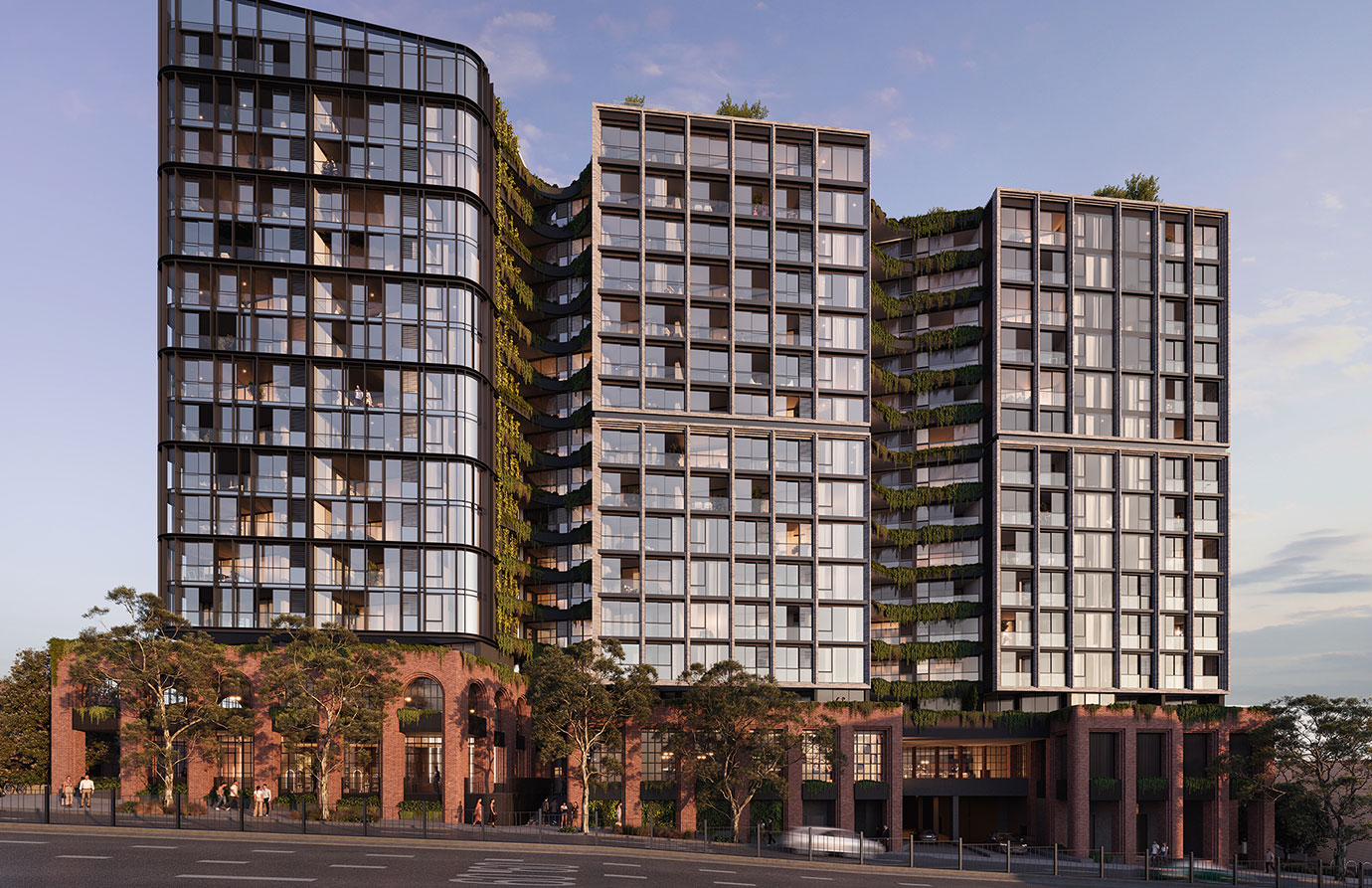
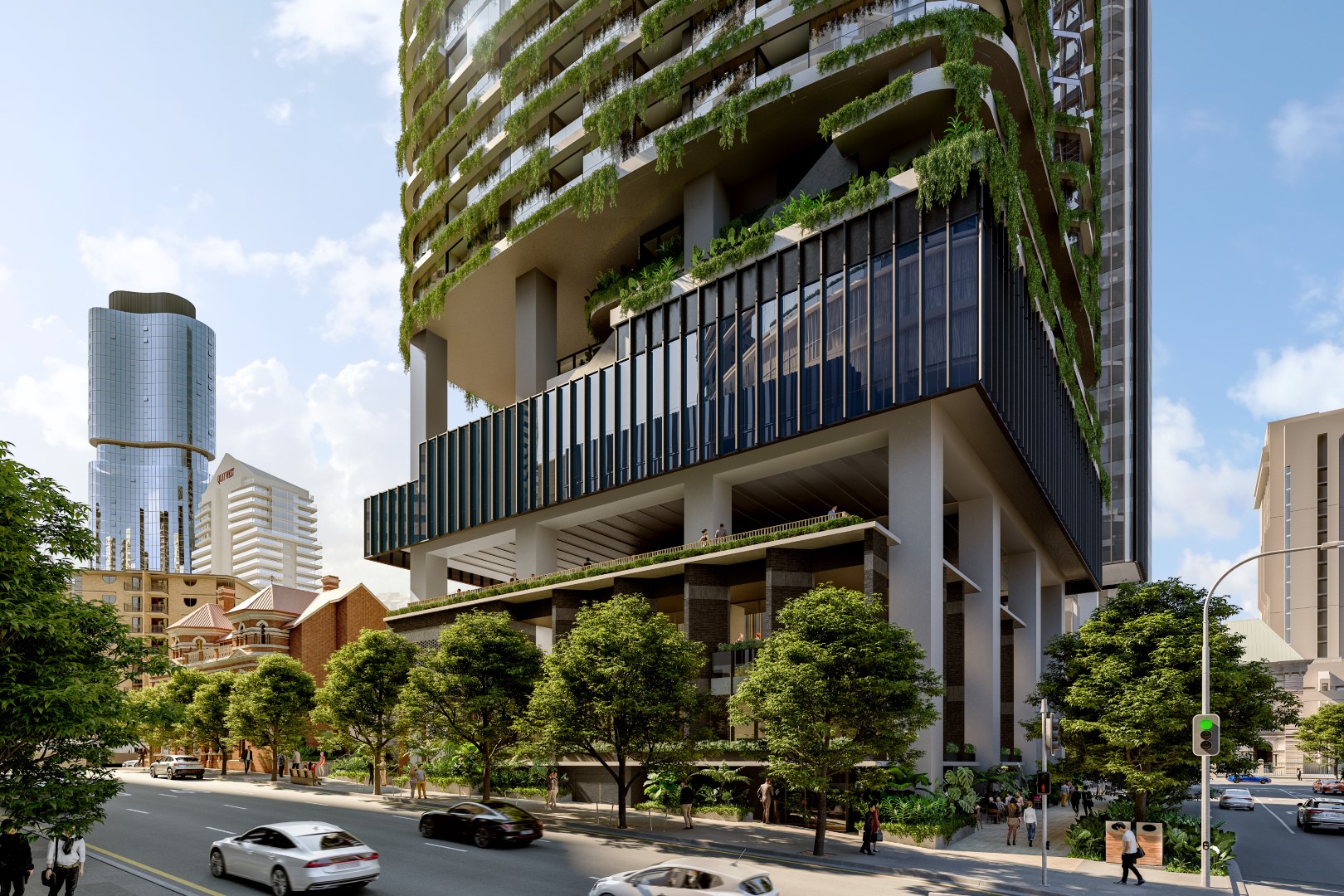
Buildings and large structures can influence wind patterns, heat conditions and pedestrian comfort. Wind and thermal studies help optimise outdoor spaces through informed design decisions, including greenery, shading and other passive design features.

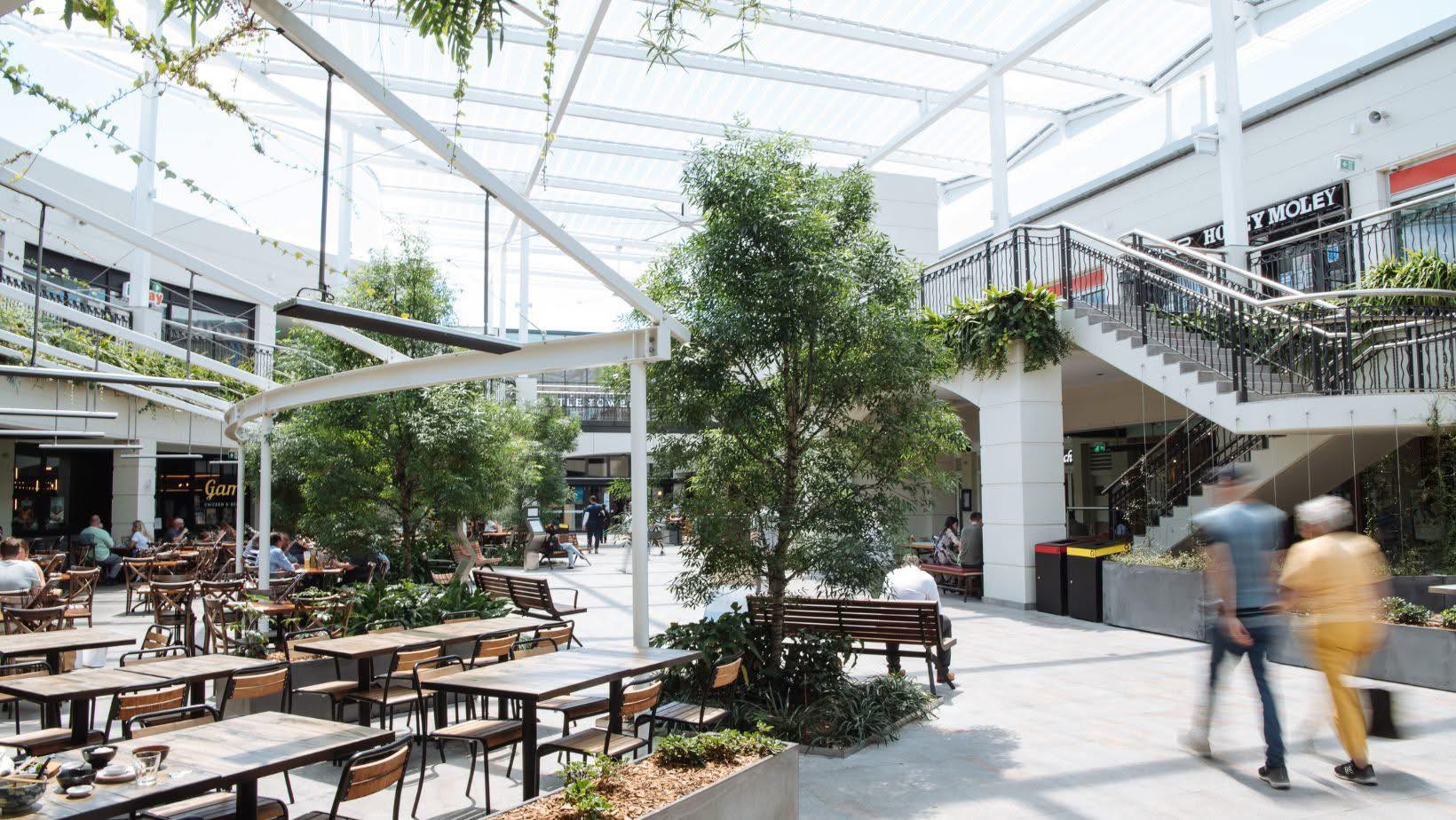
Indoor spaces can vary substantially in size and design, making it hard for a one-size-fits-all solution to be used by engineers and designers. By assessing these indoor conditions
early, ventilation and heating designs can be fine-tuned to ensure the comfort of occupants is maximised and inefficiencies are reduced.

By simulating air flow patterns, pollutant dispersion, and temperature distribution within a building, CFD can provide valuable insights into optimising ventilation systems,
identifying potential air quality issues, and designing healthier indoor environments.

A building’s façade design can significantly influence wind conditions, outdoor comfort and overall performance. Wind studies provide early insights into pedestrian comfort and façade performance, helping optimise natural ventilation, indoor conditions and energy efficiency.

With the rise of Generative AI, data centres are becoming increasingly critical infrastructure, driving demand for power and cooling solutions. CFD studies help optimise layouts, airflow and ventilation systems to improve Power Usage Effectiveness (PUE) and operational efficiency.

Senior Engineer | CFD
Ayoola Oshodi
P: +61 2 8043 7886
E: [email protected]